Pectinase for Botanical and Plant Extract Processing
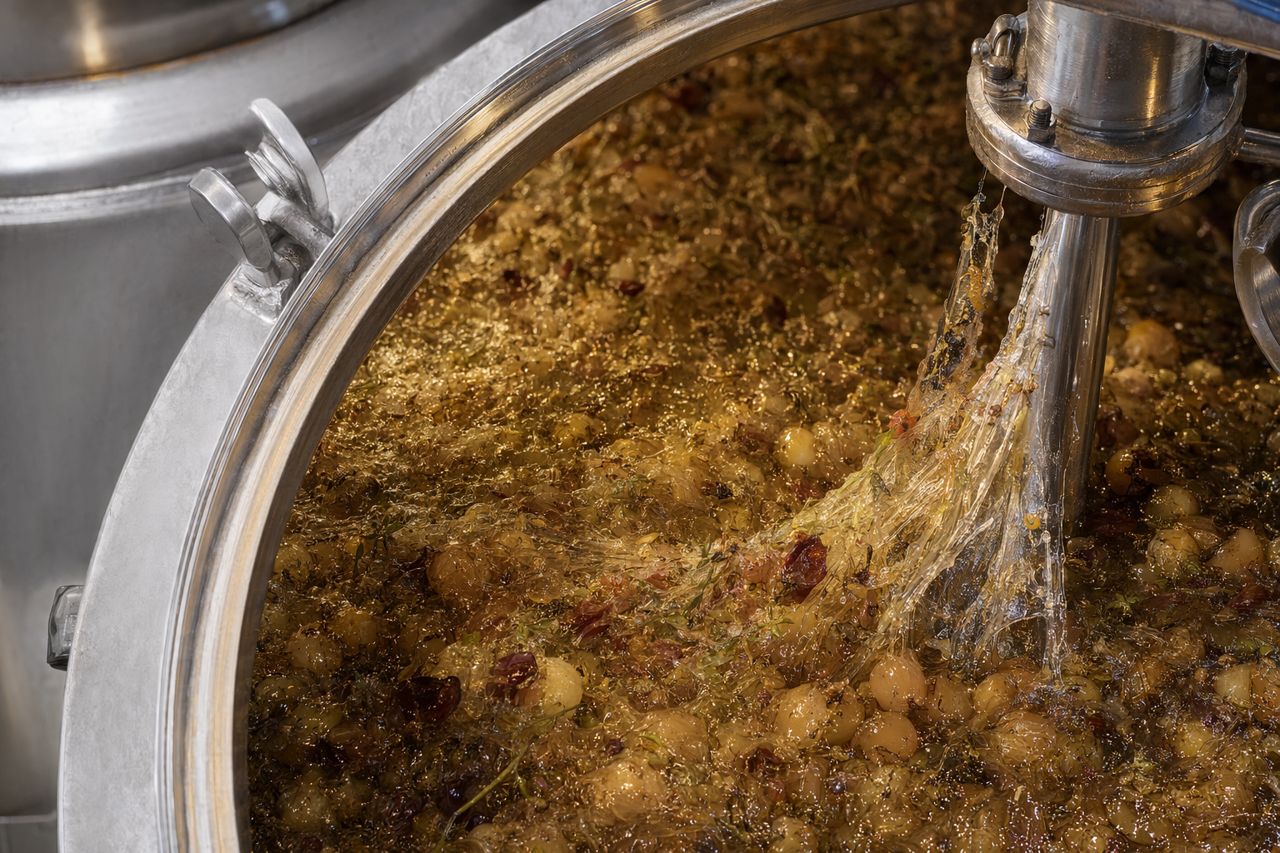
Pectinase helps extraction teams handle plant materials that do not want to release cleanly: fruit skins, herb tissues, vegetable solids, seed-adjacent pulp, and pectin-rich co-products that swell, thicken, blind filters, and hold soluble extract inside the matrix.
For botanical ingredient manufacturers, the value is practical: lower slurry viscosity, improved liquid release, cleaner separation, and more predictable downstream concentration or drying. Pectinase Enzyme Solutions supplies pectinase for industrial processing teams that need a controlled enzyme input, not vague formulation language.
Where pectinase fits in botanical extraction
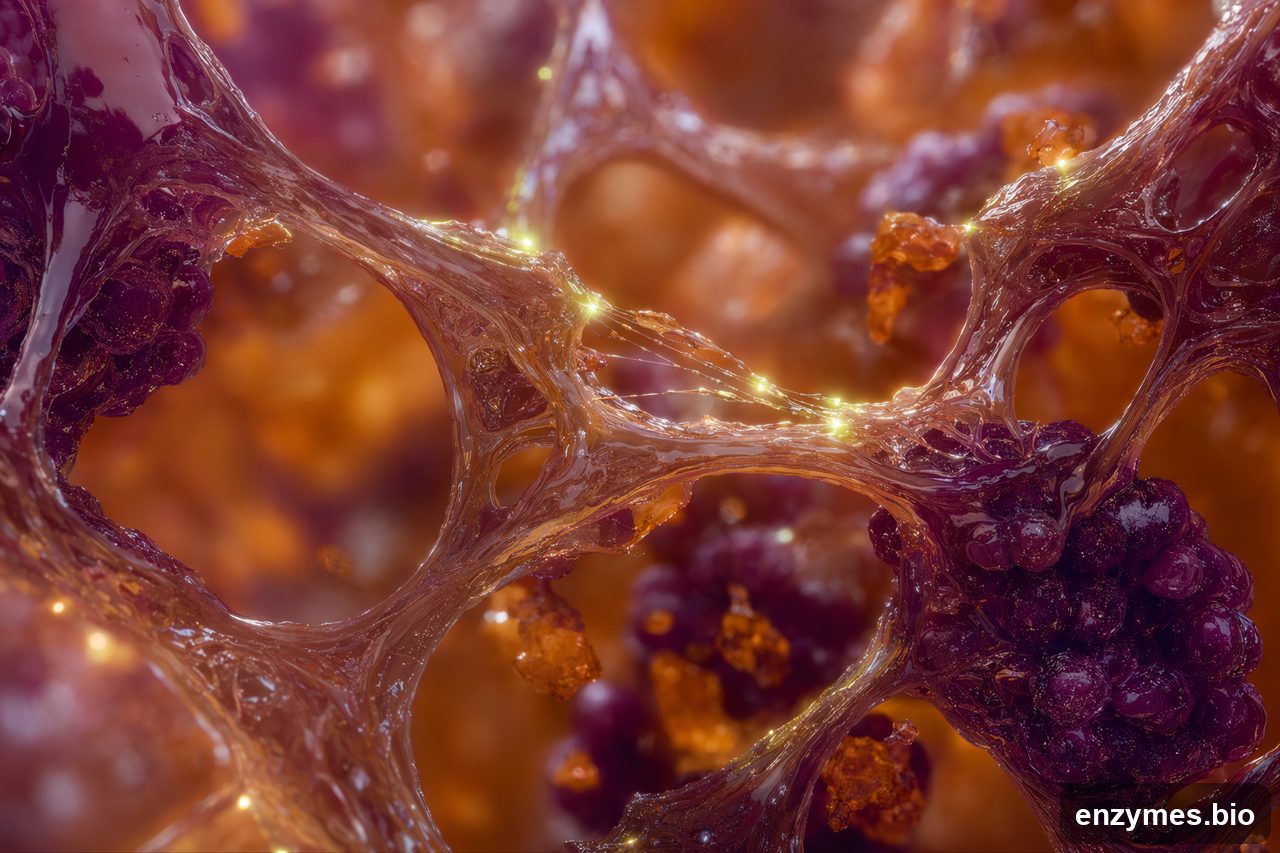
Pectin is a structural polysaccharide in many plant cell walls and middle lamellae. In extraction systems, it can create gel-like behavior that slows mixing, pumping, pressing, decanting, centrifugation, and filtration. Pectinase targets these pectic structures so the plant matrix opens more readily and the liquid phase moves with less resistance.
Common use areas include:
- Herbal and botanical extract preparation
- Fruit peel, fruit skin, berry, and pomace processing
- Vegetable and root-derived ingredient extraction
- Plant co-product valorization workflows
- Color, flavor, aroma, and soluble solids release from pectin-rich material
- Pre-treatment before pressing, decanting, filtration, centrifugation, evaporation, or spray drying
Processing outcomes buyers typically evaluate
Viscosity reduction
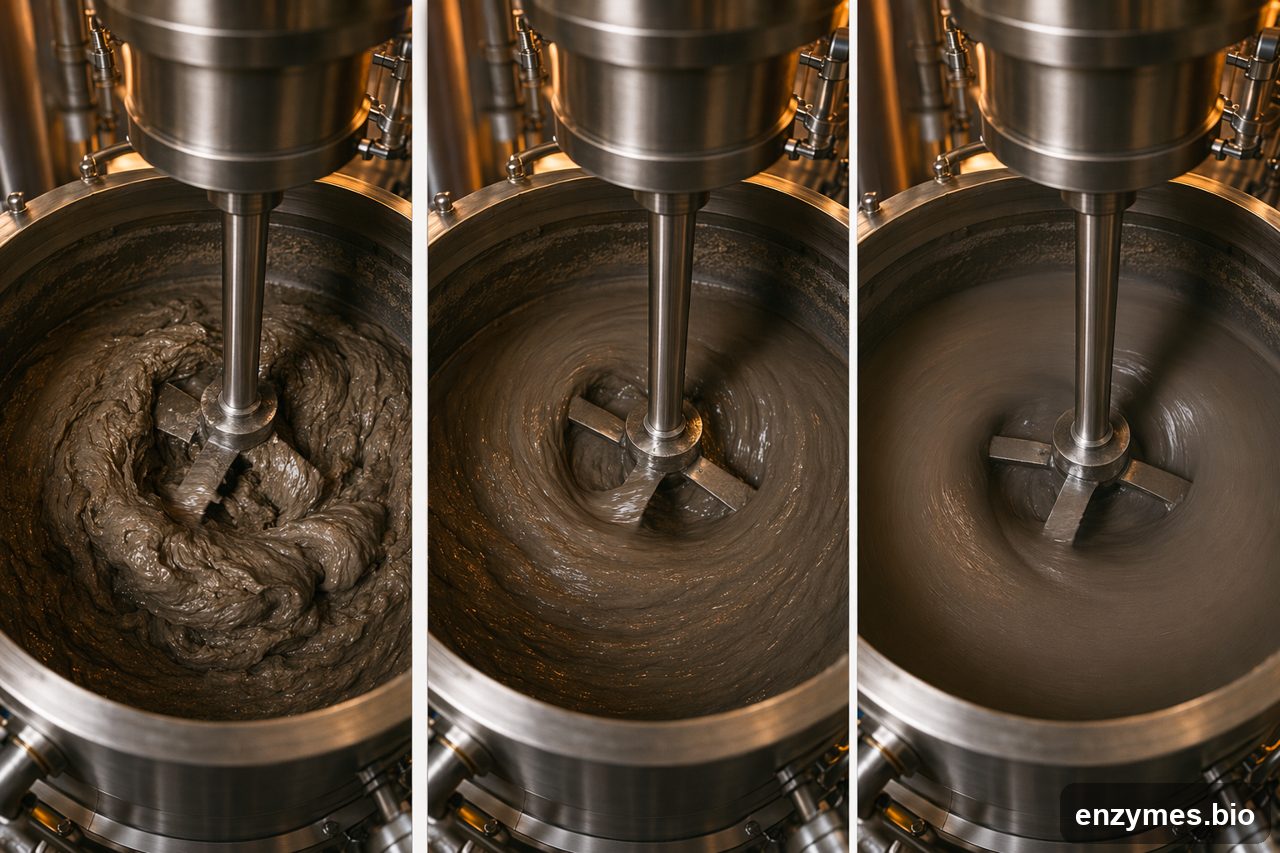
Pectin-rich slurries can become difficult to pump or mix, especially after hydration, milling, heating, or solvent contact. Pectinase can reduce gel strength and improve slurry mobility, helping equipment operate closer to intended flow behavior.
Improved liquid release
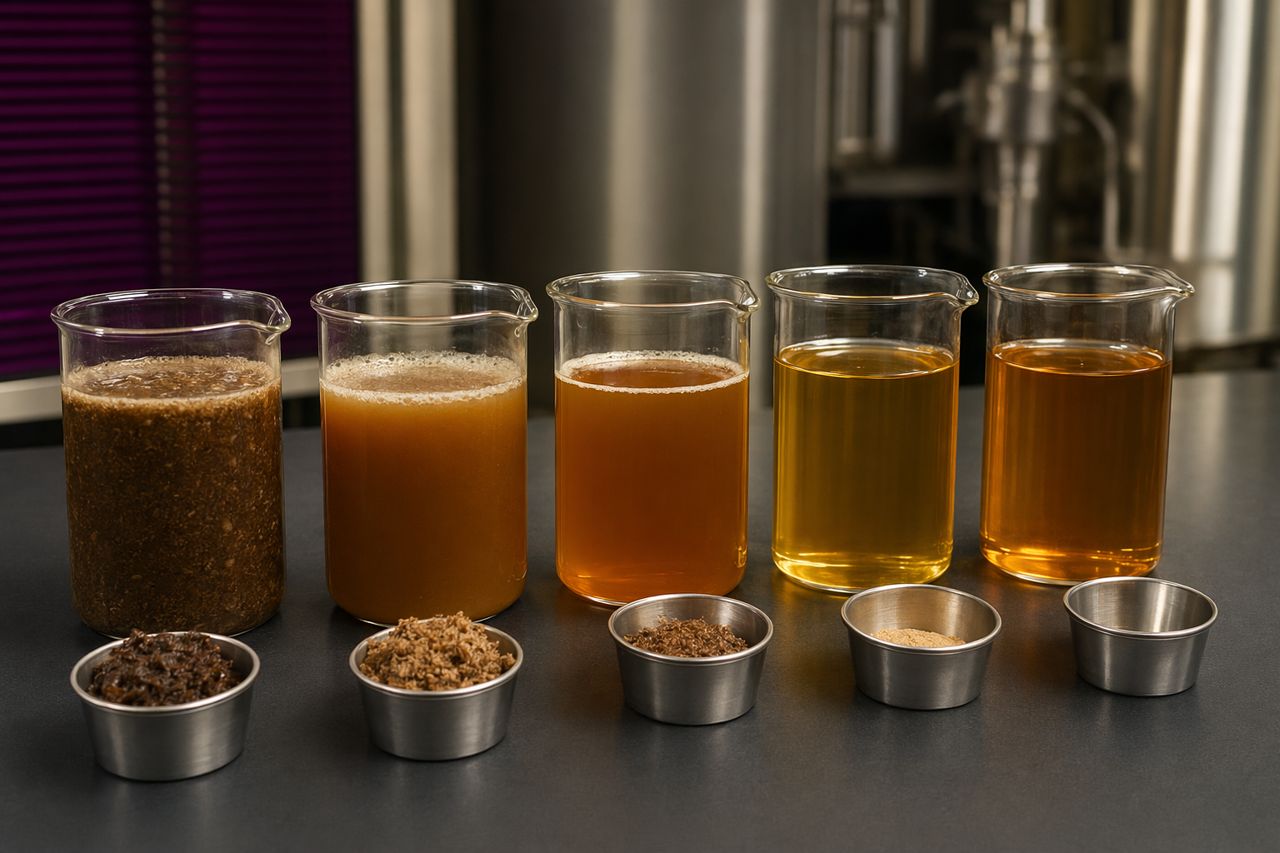
When the cell wall network loosens, extract liquor can drain more efficiently from solids. This can support higher practical recovery from the same raw material, depending on botanical type, milling profile, solvent system, and residence time.
Cleaner separation
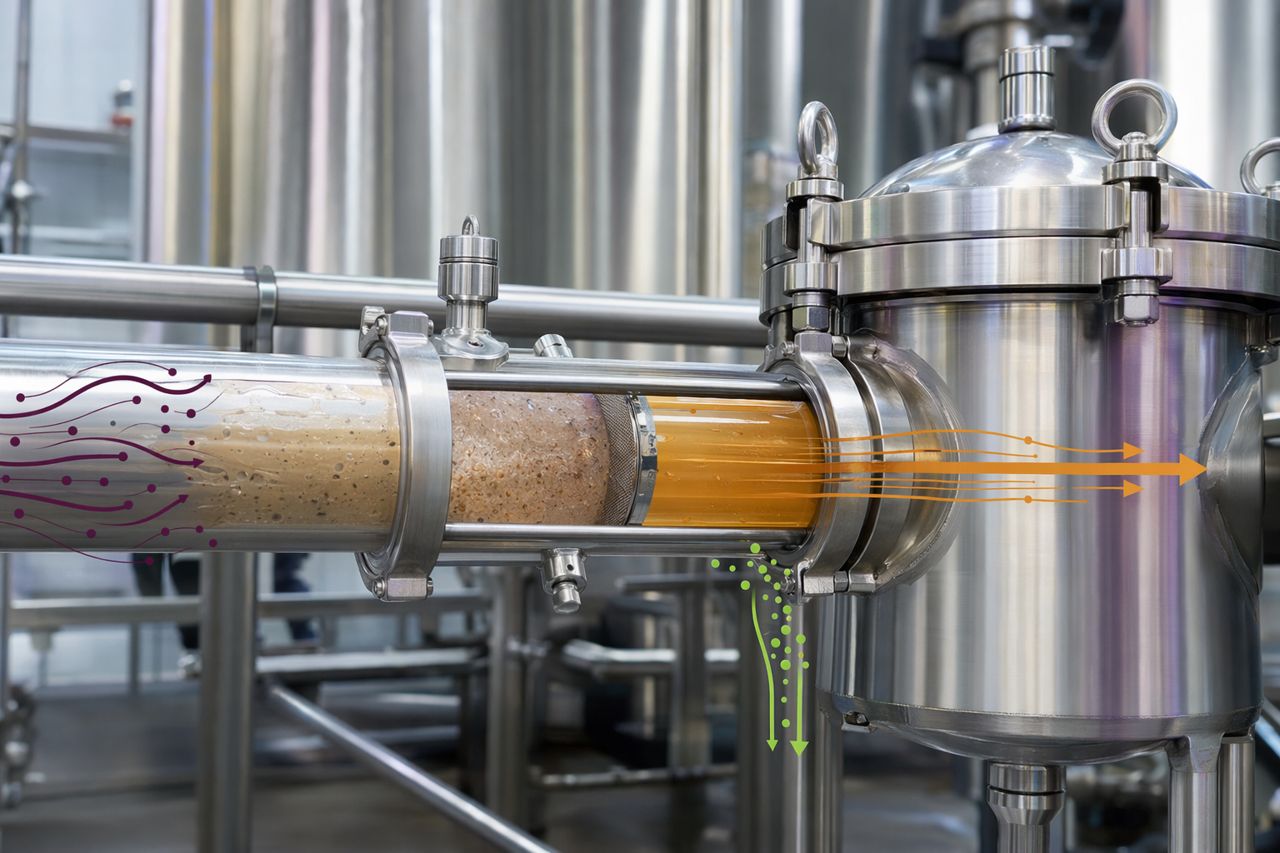
Pectin can stabilize suspended fines and create compressible filter cakes. Enzymatic pectin breakdown may improve pressing, clarification, centrifugation, and filtration performance by reducing the matrix effects that trap liquid and slow solids removal.
More stable downstream processing
A less viscous, better-separated extract can be easier to concentrate, standardize, blend, or dry. Pectinase is often evaluated upstream because small changes at extraction can reduce bottlenecks later in the line.
Suitable botanical matrices
Pectinase is commonly considered when the raw material contains meaningful pectin or pectin-associated plant structure. Examples include:
- Apple, citrus, grape, berry, tropical fruit, and stone fruit co-products
- Fruit peel, pulp, skin, pomace, and press cake streams
- Carrot, beet, tomato, pepper, and vegetable tissue materials
- Leaf, stem, flower, and herb materials where pectin contributes to viscosity or poor release
- Plant-derived ingredient streams needing improved separation before concentration
The best fit depends on the matrix. A fibrous botanical may need a different grade profile than a soft fruit skin slurry. Aqueous extraction and hydroalcoholic extraction can also require different process windows.
How formulation and process teams use it
Pectinase is usually introduced as a controlled processing aid during hydration, maceration, warm extraction, or pre-press holding. The goal is to create enough contact between the enzyme and the pectin-rich structure before the separation step.
Typical decision points include:
- Raw material identity, seasonality, and particle size
- Pectin load and slurry viscosity behavior
- Water or solvent system compatibility
- Process pH and temperature window
- Hold time available before separation
- Mixing intensity and tank geometry
- Whether the next step is pressing, decanting, filtration, centrifugation, or concentration
- Target extract characteristics such as clarity, soluble solids release, and solids carryover
Grade selection considerations
Pectinase Enzyme Solutions supports pectinase selection around the actual production constraint. For one processor, the priority may be faster filtration. For another, it may be release from fruit skin solids or improved handling of a viscous herbal slurry.
When requesting pricing or technical alignment, include:
- Botanical source and part of plant used
- Fresh, dried, milled, frozen, or spent raw material format
- Extraction medium and approximate solids loading
- Current bottleneck: viscosity, yield, filtration, centrifuge performance, press efficiency, or solids carryover
- Process pH and temperature range
- Contact time available before separation
- Desired format preference, such as liquid or dry enzyme preparation
- Any downstream constraints for labeling, processing, or ingredient handling
Process placement examples
Before pressing
Pectinase may be added during maceration or warm holding to loosen fruit skins, peels, pomace, and vegetable tissue before mechanical pressing. The aim is a wetter liquor phase and a press cake that releases more cleanly.
Before filtration
In extracts where pectin drives haze, fines suspension, or filter blinding, pectinase can be evaluated before coarse filtration, polishing filtration, or membrane-adjacent clarification steps.
Before centrifugation
Lower viscosity and reduced gel character can improve phase separation behavior. This is especially relevant where suspended plant fines remain stable in the liquor and reduce bowl or disc-stack performance.
Before concentration or drying
A clarified, lower-viscosity extract may be easier to evaporate, blend, standardize, or spray dry. Enzyme placement upstream can help reduce variability before high-cost finishing operations.
What pectinase will not solve by itself
Pectinase is powerful when pectin is the limiting structure. It is not a universal fix for every botanical extraction issue. If the main bottleneck is starch swelling, protein haze, waxes, insoluble fiber, resinous material, or poor milling, the process may require a different enzyme system, pretreatment, or separation design.
That is why Pectinase Enzyme Solutions frames enzyme selection around evidence from the line: viscosity curve, filtration behavior, press yield, suspended solids, extract specification, and thermal or solvent exposure.
Procurement and scale-up notes
Industrial buyers typically need more than a product name. They need a grade that aligns with handling, storage, addition point, regulatory expectations, and production economics. Pectinase Enzyme Solutions can support discussions around format, packaging, batch planning, and process-fit evaluation for commercial botanical extraction.
For initial review, send your matrix, process window, separation method, and target outcome. We will help narrow the pectinase grade profile and provide pricing for your intended use.
Request a quote or get pricing
Use the form below to contact Pectinase Enzyme Solutions about pectinase for botanical or plant extract processing. Leads go directly to this site’s own contact workflow.