Pectinase for Coffee Mucilage and Fermentation Processing
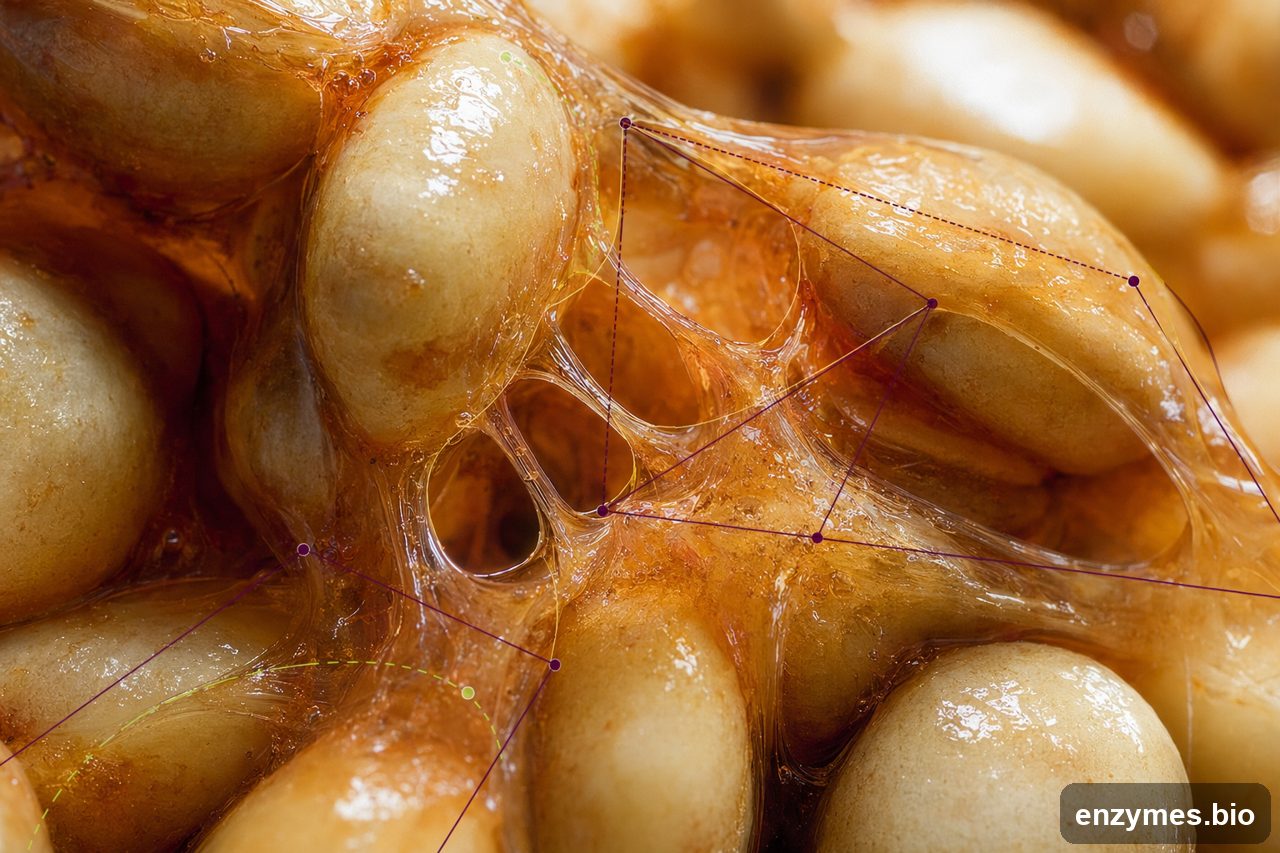
Coffee mucilage is built to cling. Its pectin-rich structure holds water, traps sugars, increases viscosity, and slows clean separation from the parchment layer. In wet coffee processing, semi-washed systems, and controlled fermentation programs, that structure can become a bottleneck.
Pectinase Enzyme Solutions supplies pectinase for coffee processors that need more predictable mucilage breakdown, cleaner demucilaging, and better control over pectin-heavy side streams. The goal is not to force a one-size-fits-all fermentation profile. It is to give production teams a controllable enzymatic tool for reducing gel structure where coffee pulp, mucilage, or wastewater solids are driving variability.
What pectinase does in coffee processing
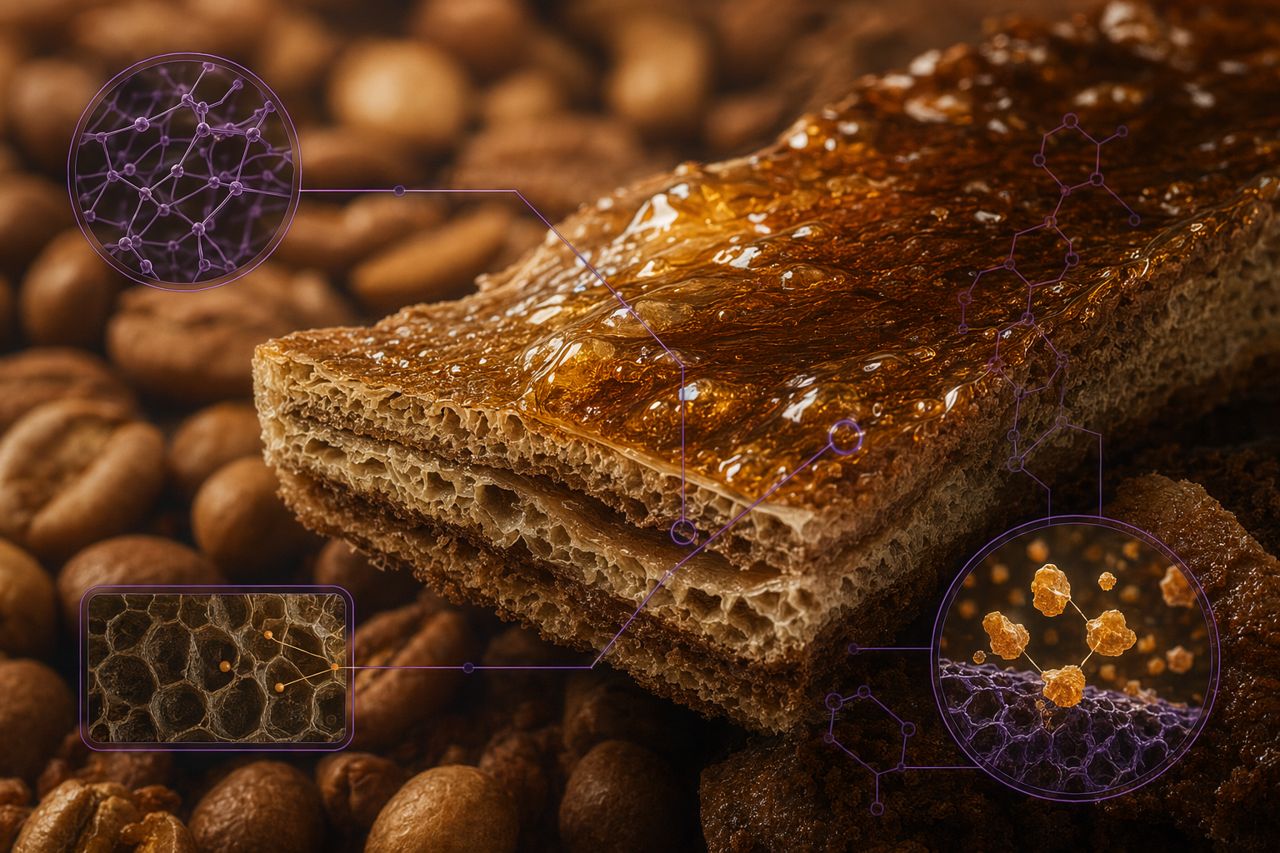
Pectinase, also called pectinolytic enzyme, targets the pectin network that gives coffee mucilage its gel-like behavior. When that network is loosened, processors can often improve:
- Mucilage softening and release from parchment coffee
- Demucilaging efficiency in washed and semi-washed lines
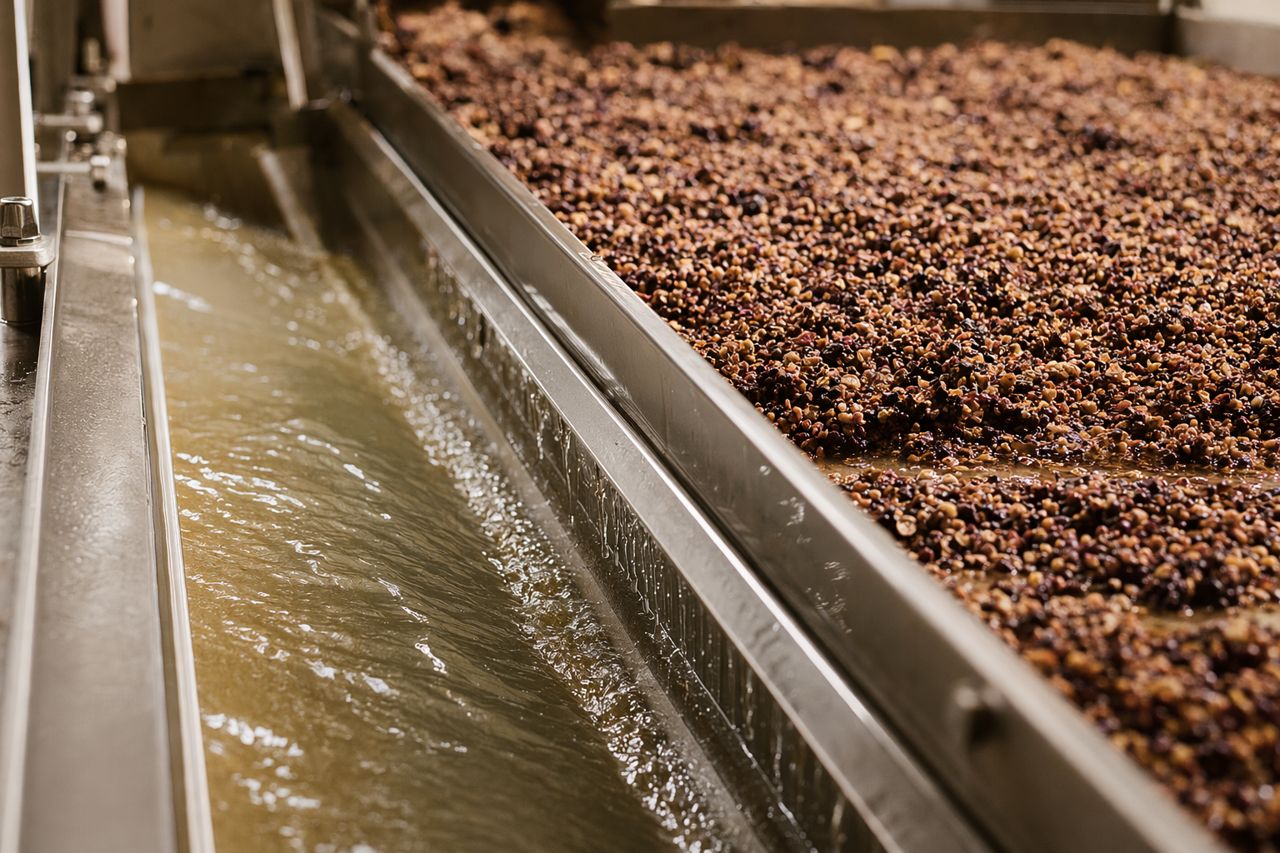
- Liquid drainage through pulp and mucilage-rich material
- Fermentation uniformity across tanks, batches, or lots
- Separation of suspended solids in pectin-heavy wastewater
- Handling consistency where ripe cherry mix, variety, or season changes the mucilage load
The enzyme supports process control. It does not replace good cherry sorting, hygiene, water management, or fermentation discipline.
Where it fits in the coffee line
Wet processing and washed coffee
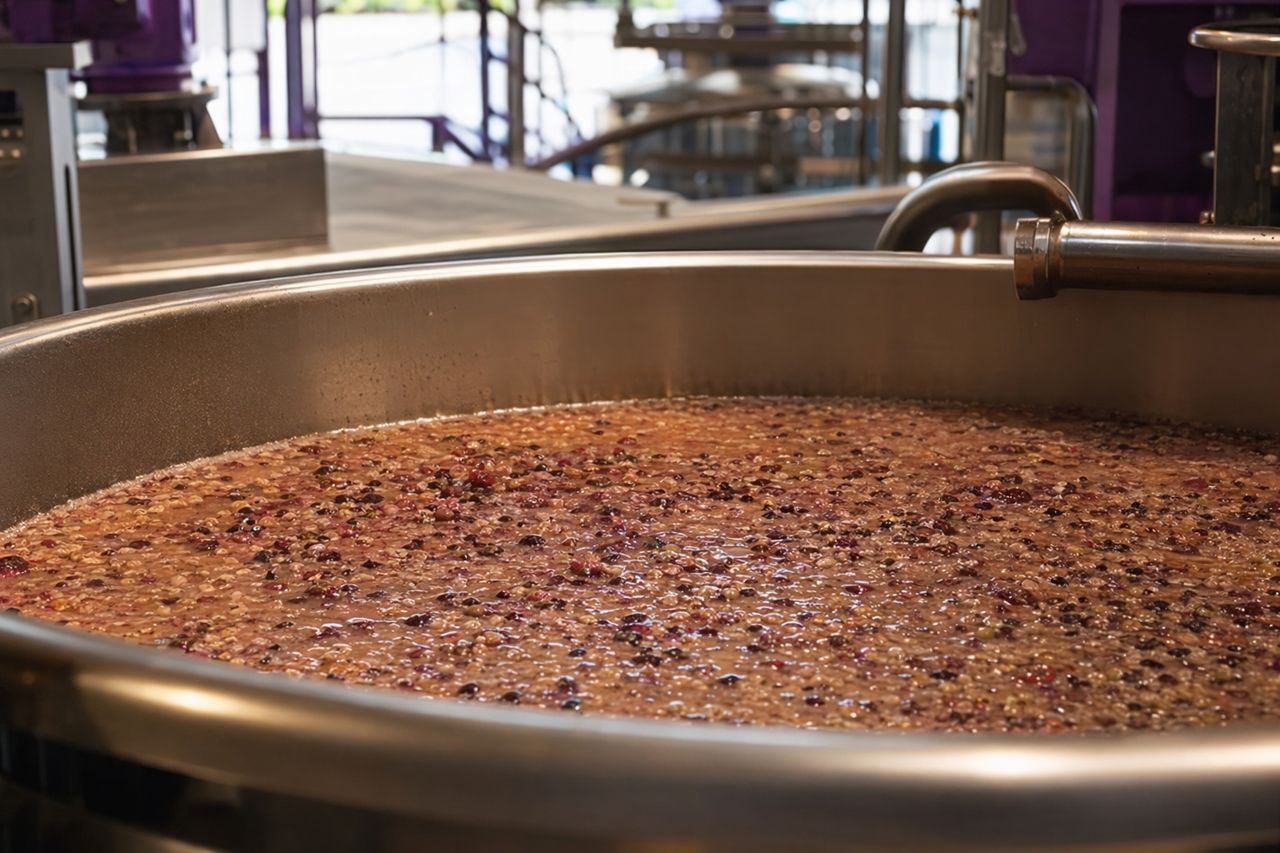
In washed processing, pectinase can be used to assist mucilage loosening before or during controlled fermentation. This can help teams reduce over-reliance on variable native microbial activity and bring more repeatability to wash readiness decisions.
Typical integration points include:
- After pulping, before fermentation hold
- During a controlled mucilage softening stage
- Ahead of mechanical washing or demucilaging
- In trials comparing enzyme-assisted and conventional fermentation windows
Mechanical demucilaging support
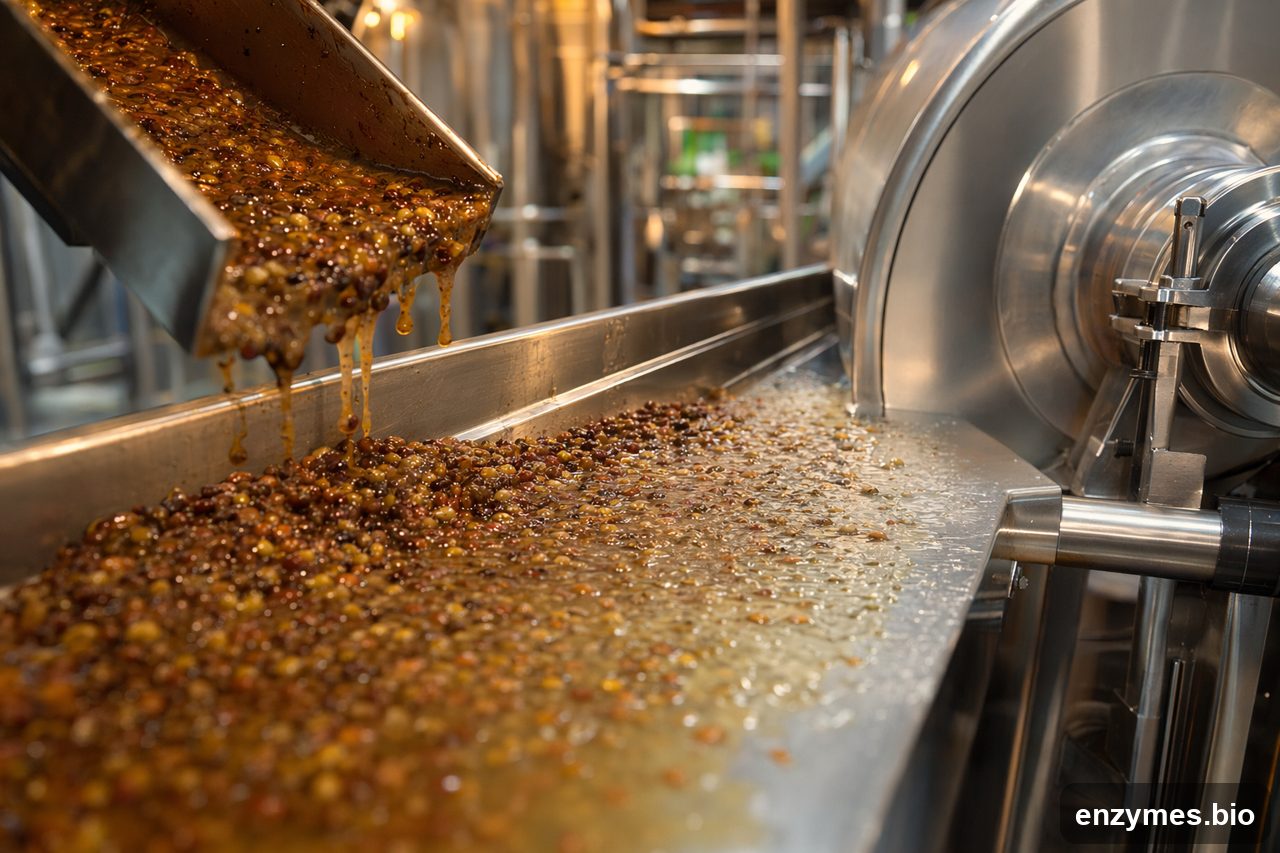
Where mechanical demucilagers are used, pectinase can help reduce the resistance created by sticky mucilage. This may support smoother parchment flow, more consistent surface cleaning, and less variation between lots with different mucilage thickness.
For mills managing throughput pressure, the practical value is often operational: less guesswork, steadier equipment behavior, and a clearer endpoint for downstream washing.
Honey and semi-washed processing
For honey, pulped natural, and semi-washed styles, the target is usually controlled modification rather than complete mucilage removal. Pectinase can be evaluated at lower process intensity to adjust mucilage behavior while preserving the intended process identity.
We help buyers define whether the application is intended for:
- Partial mucilage loosening
- Drainage improvement
- Fermentation management
- Pulp liquor viscosity reduction
- Waste stream conditioning
Coffee pulp and wastewater solids management
Pectin-rich coffee pulp and wash water can carry significant suspended solids and viscous organic material. Pectinase can be used as part of a treatment strategy to reduce gel behavior, improve liquid release, and support more manageable separation of pulp-derived solids.
This is especially relevant for processors reviewing water reuse, settling, filtration, anaerobic digestion feed consistency, or general effluent handling.
Processing variables that matter
Pectinase performance depends on the coffee material and the processing environment. Before recommending a product grade or trial plan, Pectinase Enzyme Solutions reviews:
- Coffee format: cherry pulp, pulped parchment, mucilage liquor, wash water, or mixed side stream
- Process style: washed, semi-washed, honey, controlled fermentation, or wastewater treatment
- Target outcome: mucilage release, viscosity reduction, drainage, solids handling, or consistency
- Contact stage: pre-fermentation, in-fermentation, post-fermentation, or side-stream conditioning
- Temperature profile and natural process acidity
- Water ratio, solids load, and agitation intensity
- Compatibility with sanitation steps and downstream equipment
We avoid generic recommendations because coffee mucilage is not generic. Variety, ripeness distribution, altitude, pulping condition, and holding time all change how the pectin network behaves.
Benefits for industrial coffee processors
More consistent mucilage breakdown
Pectinase helps reduce dependence on uncontrolled native fermentation alone. That can make the demucilaging endpoint easier to manage across changing lots and seasons.
Improved flow and drainage
By loosening pectin-driven gel structure, enzyme-assisted processing can improve how liquid drains from mucilage-rich material and how pulp streams move through handling equipment.
Cleaner process decisions
Processors can build trials around measurable plant observations: parchment feel, wash water clarity trend, drainage behavior, tank-to-tank variation, solids settling behavior, and equipment load.
Better use of fermentation capacity
Where mucilage breakdown is the rate-limiting step, pectinase can help teams evaluate shorter or more predictable holding strategies without depending entirely on variable microbial action.
Side-stream control
Coffee wastewater and pulp liquors are not just disposal streams. Their viscosity, suspended solids, and pectin load affect tanks, pumps, screens, settling, and treatment systems. Pectinase gives teams another lever for managing those streams.
Product selection with Pectinase Enzyme Solutions
Pectinase Enzyme Solutions supports industrial buyers with pectinase options selected for coffee mucilage and pectin-rich plant material. Product selection is based on process intent, not a catalog shortcut.
We can support discussions around:
- Liquid or dry enzyme format preference
- Compatibility with existing mill workflow
- Enzyme addition point and mixing method
- Trial design for washed, semi-washed, or wastewater applications
- Documentation needed for procurement and quality review
- Packaging format aligned with production scale
- Shelf-life, storage, and handling expectations
No activity-unit claims or assay disclosures are published on this page. For qualified buyers, technical documentation is supplied directly through Pectinase Enzyme Solutions during product review.
Trial design: what to measure
A useful coffee pectinase trial should compare enzyme-assisted processing against the current baseline under controlled mill conditions. We recommend tracking practical plant indicators such as:
- Time to target mucilage release
- Parchment surface condition after washing
- Drainage rate and hold-up in tanks or channels
- Wash water appearance and solids behavior
- Fermentation consistency between lots
- Pumping or screening behavior in side streams
- Any downstream impact on drying workflow
For coffee quality teams, sensory evaluation should remain part of the validation plan. Enzyme use should support the intended processing profile, not override it.
Procurement notes
Pectinase Enzyme Solutions works with processors, ingredient groups, exporters, and industrial formulation teams that need dependable pectinase supply for plant-based processing applications.
Available buyer support can include:
- Application review before quotation
- Grade selection for coffee mucilage or side-stream use
- Batch and documentation coordination
- Pilot-scale trial guidance
- Commercial supply planning
- Packaging and logistics discussion
Request a quote or get pricing
Tell us how your coffee process is set up and what you want the pectinase to improve. We will respond with a suitable grade recommendation, documentation pathway, and pricing for your required supply format.