Pectinase for Fiber Retting and Plant Fiber Separation
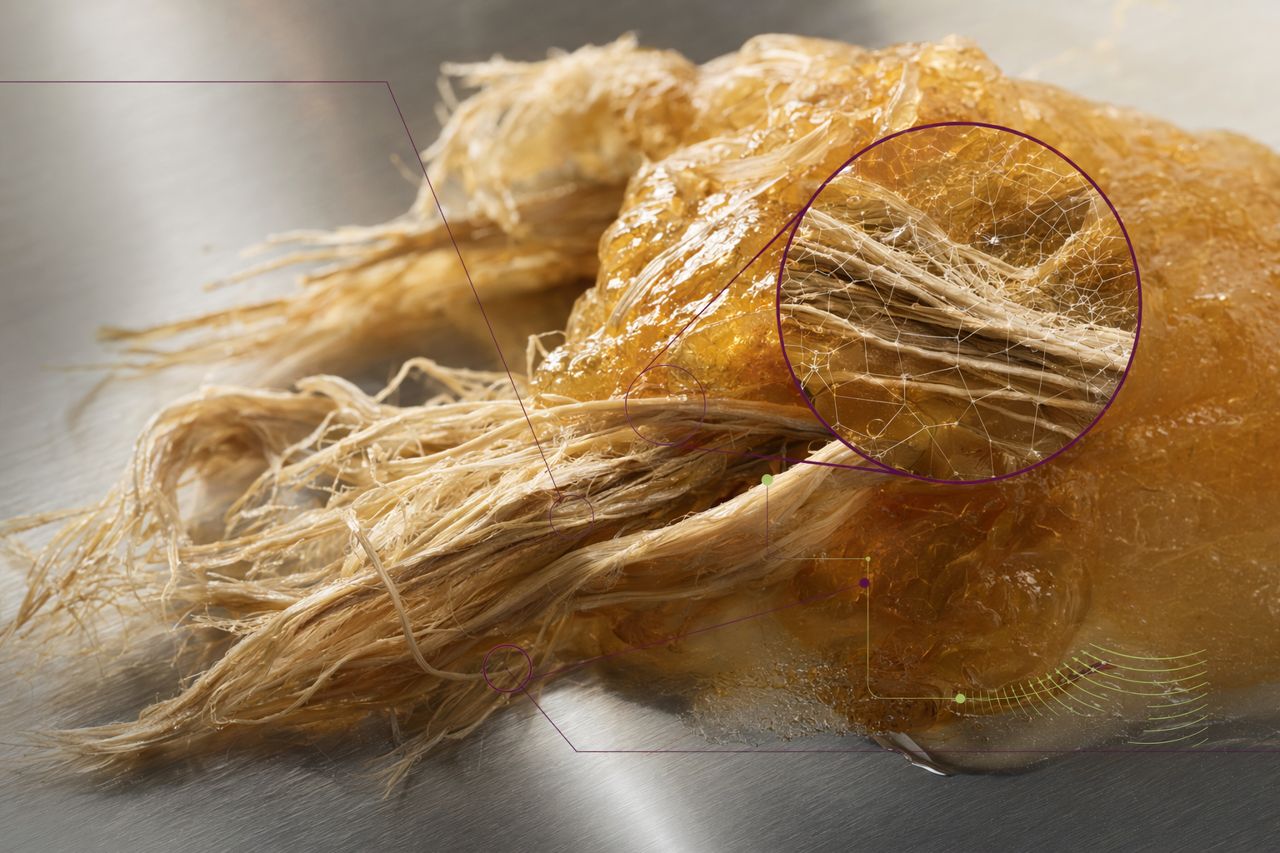
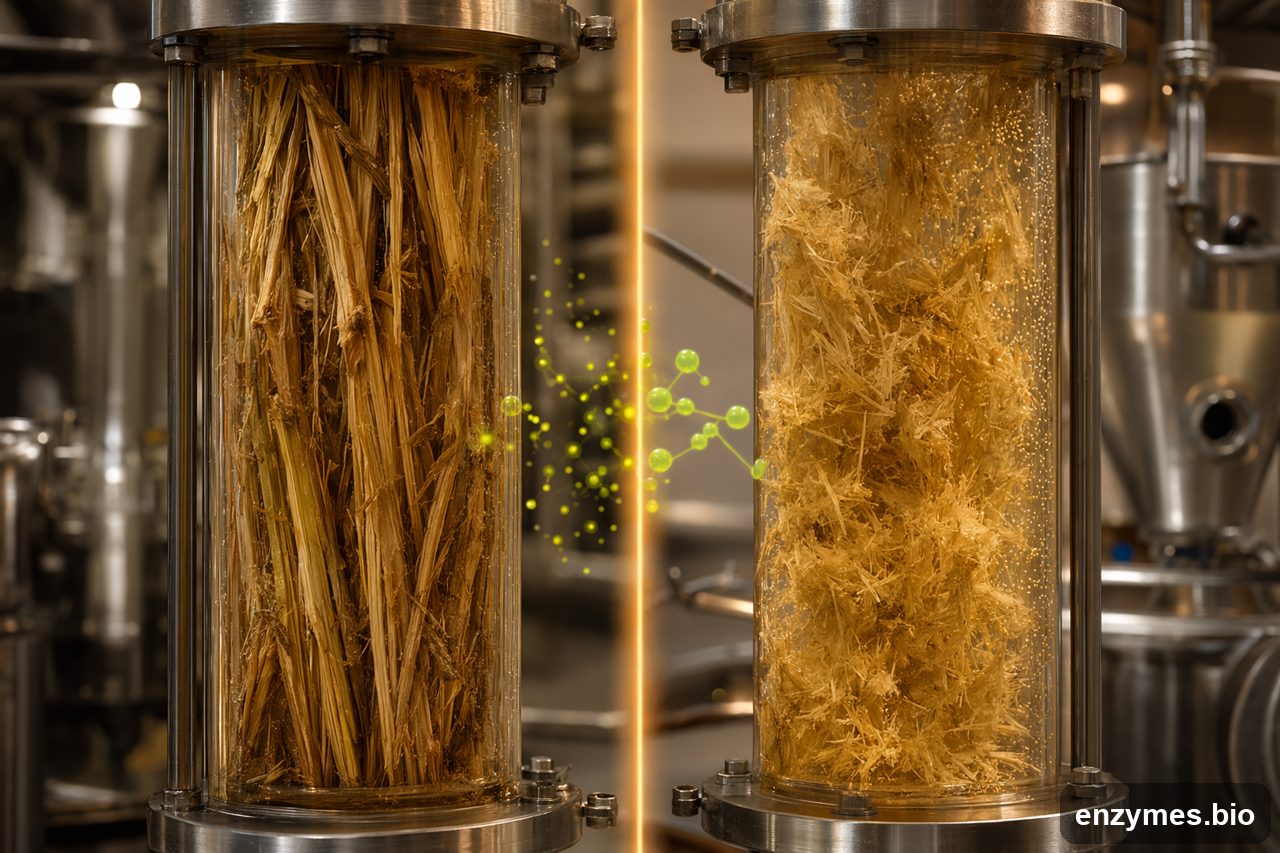
Pectinase helps weaken the pectin-rich binding materials that hold plant fibers in bundles. In controlled retting and fiber opening workflows, it supports cleaner separation, lower gummy residue, and more predictable downstream handling.
Pectinase Enzyme Solutions supplies pectinase for industrial processors working with flax, hemp, jute, ramie, kenaf, sisal, banana fiber, and other pectin-containing plant materials.

Where pectinase fits in fiber processing
Pectin is part of the natural cementing system in plant tissue. It sits around and between fiber bundles, often alongside hemicellulose, waxes, lignin-associated materials, minerals, and field-derived impurities.
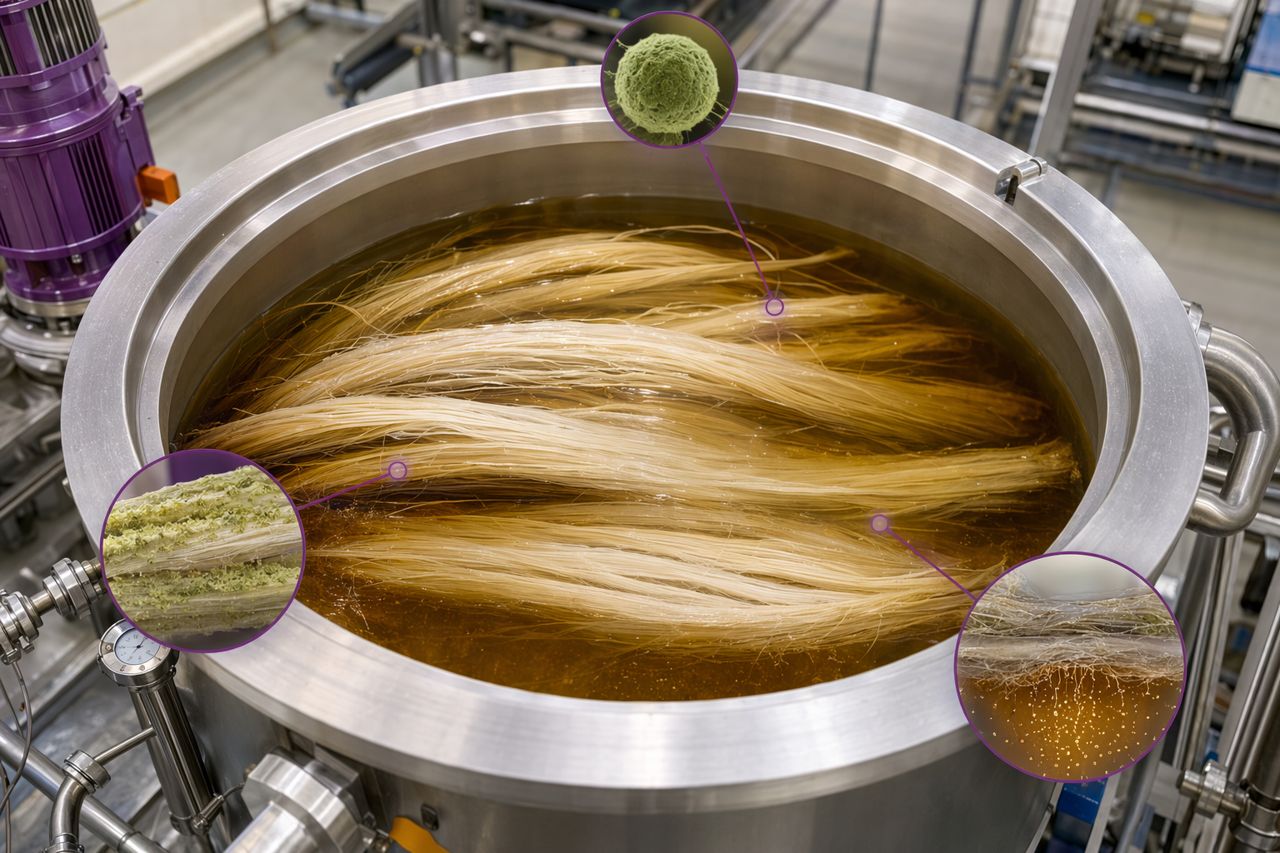
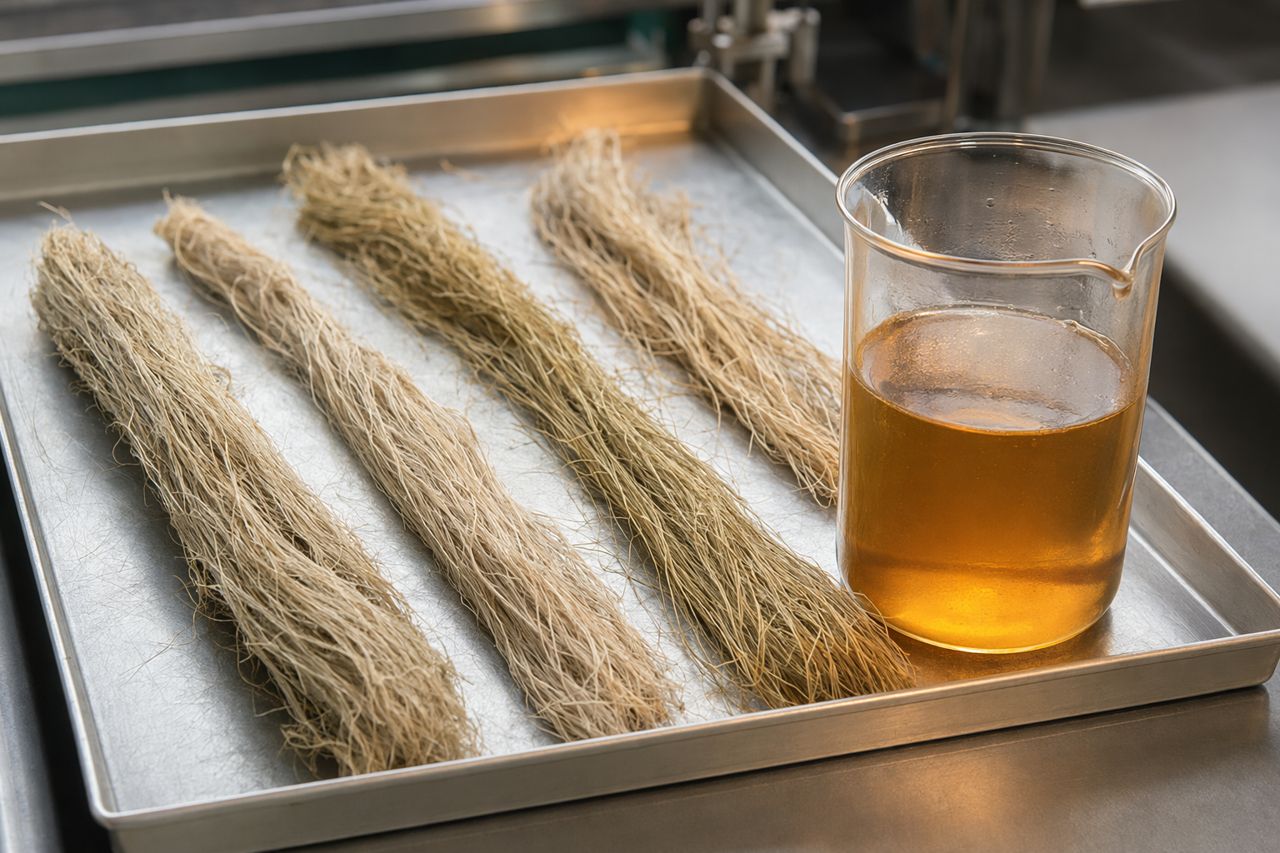
In retting, the goal is not to dissolve the fiber. The goal is to loosen the matrix enough for mechanical separation, washing, opening, carding, pulping, or composite preparation to proceed with better control.
Pectinase can be used in several process positions:
- Pre-retting conditioning to begin weakening pectinaceous binders before mechanical action
- Controlled bath retting where enzyme contact, moisture, agitation, and temperature are managed together
- Post-retting clean-up to reduce remaining gummy residues after partial separation
- Hybrid enzyme-mechanical workflows for processors trying to reduce severity in chemical or high-friction steps
- Specialty fiber preparation where cleaner separation and surface consistency matter to the next conversion stage
What it helps improve
A well-designed pectinase step can support measurable process advantages without turning retting into an uncontrolled soak.
Potential benefits include:
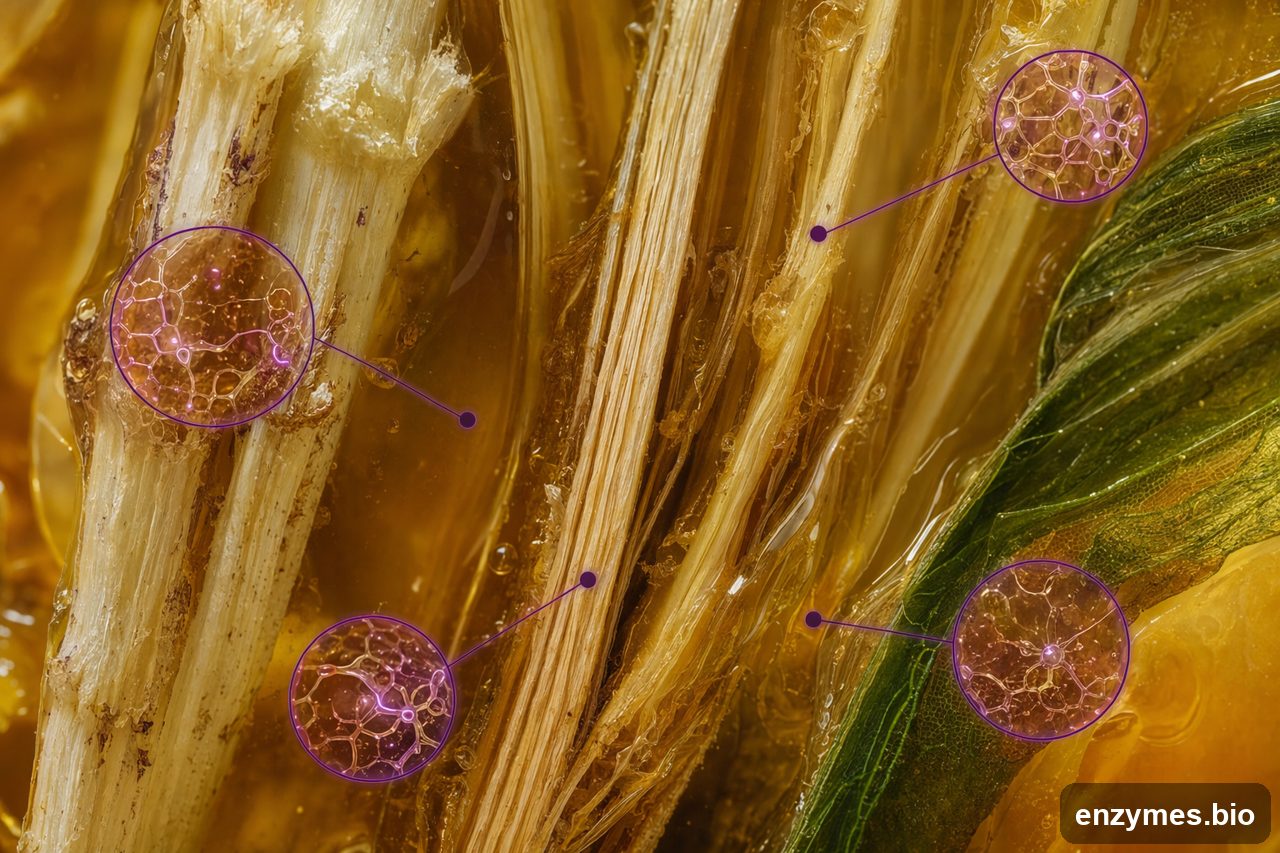
- More even loosening of fiber bundles
- Reduced pectinaceous gum and sticky residue
- Improved release during scutching, opening, washing, or refining
- Lower dependence on harsh alkaline or oxidative treatments in some workflows
- Better consistency across batches when crop variability is managed
- Cleaner preparation for textile, paper, nonwoven, molded fiber, or composite applications
The specific outcome depends on raw material maturity, field history, prior retting, cut length, particle size, water chemistry, mechanical energy, and the separation target.
Process variables that matter
Pectinase performance in retting is controlled by the process environment. We help buyers evaluate the enzyme against the real substrate, not a generic laboratory story.
Key variables include:
- Fiber type and plant anatomy: bast, leaf, stalk, and fruit-derived fibers do not release the same way.
- Retting history: dew-retted, water-retted, chemically treated, and mechanically decorticated materials respond differently.
- Moisture and liquor contact: uniform wetting is often as important as enzyme selection.
- pH and temperature window: conditions should favor enzyme action while protecting fiber strength and surface quality.
- Contact time: under-treatment leaves gum; over-treatment can reduce yield or cause unwanted surface change.
- Mechanical energy: agitation, compression, opening, and washing can expose new surfaces or damage fibers if mistimed.
- Water quality and additives: salts, surfactants, preservatives, chelants, and residual chemicals may affect performance.
Typical application areas
Flax and hemp processing
Pectinase can support loosening of bast fiber bundles after decortication or during controlled retting. It is often evaluated where processors need a cleaner opening profile and less residual gum before textile, technical fiber, or composite use.
Jute, kenaf, and ramie preparation
For coarser bast fibers, pectinase may help reduce gummy binding and improve the efficiency of washing and mechanical separation steps. The process target may be softness, cleanliness, bundle release, or preparation for further refining.
Leaf and agricultural residue fibers
In sisal, banana fiber, pineapple leaf fiber, and similar materials, pectinase can be part of a broader enzyme strategy for separating fiber from surrounding tissue while limiting excessive chemical attack.
Nonwoven, paper, and molded fiber inputs
When plant fibers are prepared for engineered materials, pectinase can help improve dispersion, reduce tacky residues, and make later refining or forming steps more predictable.
Product selection and supply considerations
Industrial buyers typically evaluate pectinase on more than enzyme name alone. For fiber retting, the right specification depends on process fit, handling requirements, and repeatability.
Pectinase Enzyme Solutions can support discussions around:
- Liquid or dry format suitability
- Compatibility with existing wet processing equipment
- Storage and handling expectations
- Batch-to-batch consistency requirements
- Trial design using your actual fiber material
- Scale-up from bench or pilot work to production conditions
- Documentation needs for purchasing, QA, and plant teams
We do not recommend selecting a retting enzyme from a generic catalog description. Fiber separation is substrate-specific, and the trial should reflect the plant material, equipment, and commercial target.
Trial design: what to send us
To recommend a practical starting point, include as much of the following as possible:
- Fiber source and crop type
- Current retting or separation method
- Prior chemical, heat, or mechanical treatments
- Target output: long fiber, short fiber, pulp, nonwoven input, composite reinforcement, or other use
- Main pain point: gum, color, strength loss, odor, inconsistent release, water load, chemical intensity, or throughput
- Available process conditions and equipment
- Downstream quality tests used by your team
From there, we can help define a focused evaluation plan for your site.
Handling and implementation notes
Pectinase is an industrial processing aid and should be handled according to standard enzyme safety practices. Avoid dust or aerosol exposure, use appropriate personal protective equipment, and keep containers closed when not in use.
For production use, validate cleaning procedures, wastewater implications, and downstream compatibility before changing the main process. Enzyme-assisted retting works best when plant-floor teams control the full sequence: wetting, enzyme contact, mechanical action, rinsing, and drying.
Request pricing for pectinase retting trials
Tell us what fiber you are processing and what separation problem you are trying to solve. We will respond with product fit, supply options, and trial guidance.